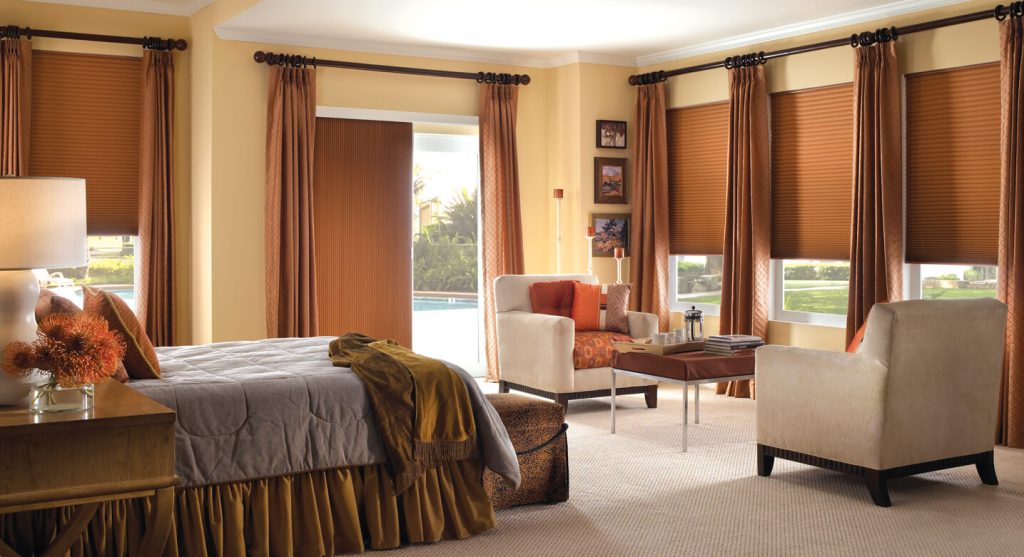
Do you hear every car horn, barking dog, or late-night conversation through your windows? If so, you’re not alone. With urban density on the rise and people working from home more than ever, the demand for noise-reducing window treatments has skyrocketed. In this deep dive, we tap into hundreds of customer reviews to uncover the most effective options available in 2025 and explain why they work, how to install them, and what to look for before you buy.
According to the World Health Organization, prolonged exposure to noise above 55 dB can lead to stress, poor sleep, and even cardiovascular issues. With more of us living in bustling cities or near busy roads, reducing indoor noise has become a health priority rather than a luxury. In addition, open-concept floor plans and minimalist decor—while stylish—often amplify echoes and outside sounds. Window treatments remain one of the simplest, most cost-effective ways to combat this problem without major renovations.
Many shoppers entering 2025 also factor energy savings into their purchases. Thicker, multi-layered fabrics that block sound often double as insulators, trimming heating and cooling costs—an attractive bonus as energy prices climb.
Unlike traditional curtains or mini-blinds, noise-reducing treatments use specialized materials and construction to absorb, reflect, or dampen sound waves. There are three main mechanisms at play:
Treatments typically combine at least two of these features. For instance, a top-tier cellular shade may use thick, acoustically engineered cloth (mass) with honeycomb cells (damping) and sleek tracks (sealing).
After evaluating over 1,500 verified buyer comments across multiple retailers, several standout products emerged. Below is a curated list of the most applauded options, including pros and cons gleaned from real customers.
Digging deeper into review data reveals patterns that can guide your buying decision:
Takeaway: Focus on realistic expectations and meticulous measurement for the best results.
Accurate inside-mount dimensions are critical. Measure width at top, middle, and bottom; use the narrowest value to avoid fit issues. For outside mounts, add at least 4 inches to both width and height to cover gaps.
Not all windows—and certainly not all budgets—are created equal. Reviewers consistently highlighted the following criteria when rating satisfaction:
Prioritize these factors, then filter down choices based on look and feel. Buying blindly based on price alone was the number-one regret cited in negative reviews.
These solutions don't just quiet your space—they also save energy. Learn how noise-reducing window treatments contribute to a greener & more sustainable home.
Customer experiences make it clear: the most effective noise-reducing window treatments of 2025 combine dense, multi-layered materials with precise installation to seal gaps. Cellular shades, heavy velvet drapes, and composite shutters top the charts, especially when layered together. Before ordering, measure meticulously, consider your specific noise challenges, and balance function with aesthetics. Your ears—and likely your energy bill—will thank you.
At Bloomin' Blinds, we understand that true comfort goes beyond what you see—it’s also about what you hear. That’s why we offer a carefully curated range of noise-reducing window treatments designed to fit your lifestyle, décor, and soundproofing needs. From premium cellular shades with triple-layer insulation to custom velvet drapes and composite shutters, our solutions not only minimize outside noise but also elevate the style and energy efficiency of your home. Our expert consultants help you choose the right combination for your specific space, and professional installation ensures a flawless fit.
Do noise-reducing curtains work?
Yes. While they won’t create a recording-studio silence, high-density blackout curtains can cut incoming noise by 40–60% when installed properly and paired with a sealed rod.
Which is better for soundproofing: cellular shades or shutters?
Cellular shades excel at absorbing sound due to their honeycomb structure, whereas shutters block and reflect noise. Combining both yields the best overall performance.
Can I install acoustic window treatments in a rental?
Absolutely. Look for tension-mounted cellular shades or roller shades with adhesive side channels. They remove cleanly and won’t void most lease agreements.
How do I clean heavy velvet drapes without damaging them?
Many are machine-washable on a delicate cycle, but dry cleaning is safest. Always follow the manufacturer’s label to preserve fabric density and acoustic integrity.
Warranty Info: All products offered by Bloomin’ Blinds are covered by a limited lifetime warranty for the original purchaser. The warranty protects against the following items: Warping, discoloration, manufacturer material defects and install issues. In the event of a warranty need, there will be no cost to the homeowner and Bloomin’ Blinds will service the repair at your home/office whenever possible. *** Warranty specifics varies by location, please contact for more information.
We are currently looking to expand our business in the territories listed below.
We are always looking to grow! If your preferred location is not listed, feel free to leave a note upon filling out the contact form!
Contact UsWe are currently looking to expand our business in the territories listed below.
We are always looking to grow! If your preferred location is not listed, feel free to leave a note upon filling out the contact form!
Contact UsWe currently have no opportunities available in the entire state of West Virginia.
We are always looking to grow! If your preferred location is not listed, feel free to leave a note upon filling out the contact form!
Contact UsWe are currently looking to expand our business in the territories listed below.
We are always looking to grow! If your preferred location is not listed, feel free to leave a note upon filling out the contact form!
Contact UsWe are currently looking to expand our business in the territories listed below.
We are always looking to grow! If your preferred location is not listed, feel free to leave a note upon filling out the contact form!
Contact UsWe are currently looking to expand our business in the territories listed below.
We are always looking to grow! If your preferred location is not listed, feel free to leave a note upon filling out the contact form!
Contact UsWe are currently looking to expand our business in the territories listed below.
We are always looking to grow! If your preferred location is not listed, feel free to leave a note upon filling out the contact form!
Contact UsWe are currently looking to expand our business in the territories listed below.
We are always looking to grow! If your preferred location is not listed, feel free to leave a note upon filling out the contact form!
Contact UsWe are currently looking to expand our business in the territories listed below.
We are always looking to grow! If your preferred location is not listed, feel free to leave a note upon filling out the contact form!
Contact UsWe currently have no opportunities available in the entire state of South Dakota.
We are always looking to grow! If your preferred location is not listed, feel free to leave a note upon filling out the contact form!
Contact UsWe are currently looking to expand our business in the territories listed below.
We are always looking to grow! If your preferred location is not listed, feel free to leave a note upon filling out the contact form!
Contact UsWe are currently looking to expand our business in the territories listed below.
We are always looking to grow! If your preferred location is not listed, feel free to leave a note upon filling out the contact form!
Contact UsWe are currently looking to expand our business in the territories listed below.
We are always looking to grow! If your preferred location is not listed, feel free to leave a note upon filling out the contact form!
Contact UsWe are currently looking to expand our business in the territories listed below.
We are always looking to grow! If your preferred location is not listed, feel free to leave a note upon filling out the contact form!
Contact UsWe are currently looking to expand our business in the territories listed below.
We are always looking to grow! If your preferred location is not listed, feel free to leave a note upon filling out the contact form!
Contact UsWe are currently looking to expand our business in the territories listed below.
We are always looking to grow! If your preferred location is not listed, feel free to leave a note upon filling out the contact form!
Contact UsWe currently have no opportunities available in the entire state of North Dakota.
We are always looking to grow! If your preferred location is not listed, feel free to leave a note upon filling out the contact form!
Contact UsWe are currently looking to expand our business in the territories listed below.
We are always looking to grow! If your preferred location is not listed, feel free to leave a note upon filling out the contact form!
Contact UsWe are currently looking to expand our business in the territories listed below.
We are always looking to grow! If your preferred location is not listed, feel free to leave a note upon filling out the contact form!
Contact UsWe are currently looking to expand our business in the territories listed below.
We are always looking to grow! If your preferred location is not listed, feel free to leave a note upon filling out the contact form!
Contact UsWe are currently looking to expand our business in the territories listed below.
We are always looking to grow! If your preferred location is not listed, feel free to leave a note upon filling out the contact form!
Contact UsWe currently have no opportunities available in the entire state of New Hampshire.
We are always looking to grow! If your preferred location is not listed, feel free to leave a note upon filling out the contact form!
Contact UsWe are currently looking to expand our business in the territories listed below.
We are always looking to grow! If your preferred location is not listed, feel free to leave a note upon filling out the contact form!
Contact UsWe currently have no opportunities available in the entire state of Nebraska.
We are always looking to grow! If your preferred location is not listed, feel free to leave a note upon filling out the contact form!
Contact UsWe are currently looking to expand our business in the territories listed below.
We are always looking to grow! If your preferred location is not listed, feel free to leave a note upon filling out the contact form!
Contact UsWe are currently looking to expand our business in the territories listed below.
We are always looking to grow! If your preferred location is not listed, feel free to leave a note upon filling out the contact form!
Contact UsWe are currently looking to expand our business in the territories listed below.
We are always looking to grow! If your preferred location is not listed, feel free to leave a note upon filling out the contact form!
Contact UsWe are currently looking to expand our business in the territories listed below.
We are always looking to grow! If your preferred location is not listed, feel free to leave a note upon filling out the contact form!
Contact UsWe are currently looking to expand our business in the territories listed below.
We are always looking to grow! If your preferred location is not listed, feel free to leave a note upon filling out the contact form!
Contact UsWe are currently looking to expand our business in the territories listed below.
We are always looking to grow! If your preferred location is not listed, feel free to leave a note upon filling out the contact form!
Contact UsWe are currently looking to expand our business in the territories listed below.
We are always looking to grow! If your preferred location is not listed, feel free to leave a note upon filling out the contact form!
Contact UsWe are currently looking to expand our business in the territories listed below.
We are always looking to grow! If your preferred location is not listed, feel free to leave a note upon filling out the contact form!
Contact UsWe are currently looking to expand our business in the territories listed below.
We are always looking to grow! If your preferred location is not listed, feel free to leave a note upon filling out the contact form!
Contact UsWe are currently looking to expand our business in the territories listed below.
We are always looking to grow! If your preferred location is not listed, feel free to leave a note upon filling out the contact form!
Contact UsWe are currently looking to expand our business in the territories listed below.
We are always looking to grow! If your preferred location is not listed, feel free to leave a note upon filling out the contact form!
Contact UsWe are currently looking to expand our business in the territories listed below.
We are always looking to grow! If your preferred location is not listed, feel free to leave a note upon filling out the contact form!
Contact UsWe are currently looking to expand our business in the territories listed below.
We are always looking to grow! If your preferred location is not listed, feel free to leave a note upon filling out the contact form!
Contact UsWe are currently looking to expand our business in the territories listed below.
We are always looking to grow! If your preferred location is not listed, feel free to leave a note upon filling out the contact form!
Contact UsWe are currently looking to expand our business in the territories listed below.
We are always looking to grow! If your preferred location is not listed, feel free to leave a note upon filling out the contact form!
Contact UsWe currently have no opportunities available in the entire state of Hawaii.
We are always looking to grow! If your preferred location is not listed, feel free to leave a note upon filling out the contact form!
Contact UsWe are currently looking to expand our business in the territories listed below.
We are always looking to grow! If your preferred location is not listed, feel free to leave a note upon filling out the contact form!
Contact UsWe are currently looking to expand our business in the territories listed below.
We are always looking to grow! If your preferred location is not listed, feel free to leave a note upon filling out the contact form!
Contact UsWe currently have no opportunities available in the entire state of Delaware.
We are always looking to grow! If your preferred location is not listed, feel free to leave a note upon filling out the contact form!
Contact UsWe are currently looking to expand our business in the territories listed below.
We are always looking to grow! If your preferred location is not listed, feel free to leave a note upon filling out the contact form!
Contact UsWe currently have no opportunities available in the entire state of Colorado.
We are always looking to grow! If your preferred location is not listed, feel free to leave a note upon filling out the contact form!
Contact UsWe are currently looking to expand our business in the territories listed below.
We are always looking to grow! If your preferred location is not listed, feel free to leave a note upon filling out the contact form!
Contact UsWe are currently looking to expand our business in the territories listed below.
We are always looking to grow! If your preferred location is not listed, feel free to leave a note upon filling out the contact form!
Contact UsWe are currently looking to expand our business in the territories listed below.
We are always looking to grow! If your preferred location is not listed, feel free to leave a note upon filling out the contact form!
Contact UsWe currently have no opportunities available in the entire state of Alaska.
We are always looking to grow! If your preferred location is not listed, feel free to leave a note upon filling out the contact form!
Contact UsWe are currently looking to expand our business in the territories listed below.
We are always looking to grow! If your preferred location is not listed, feel free to leave a note upon filling out the contact form!
Contact Us