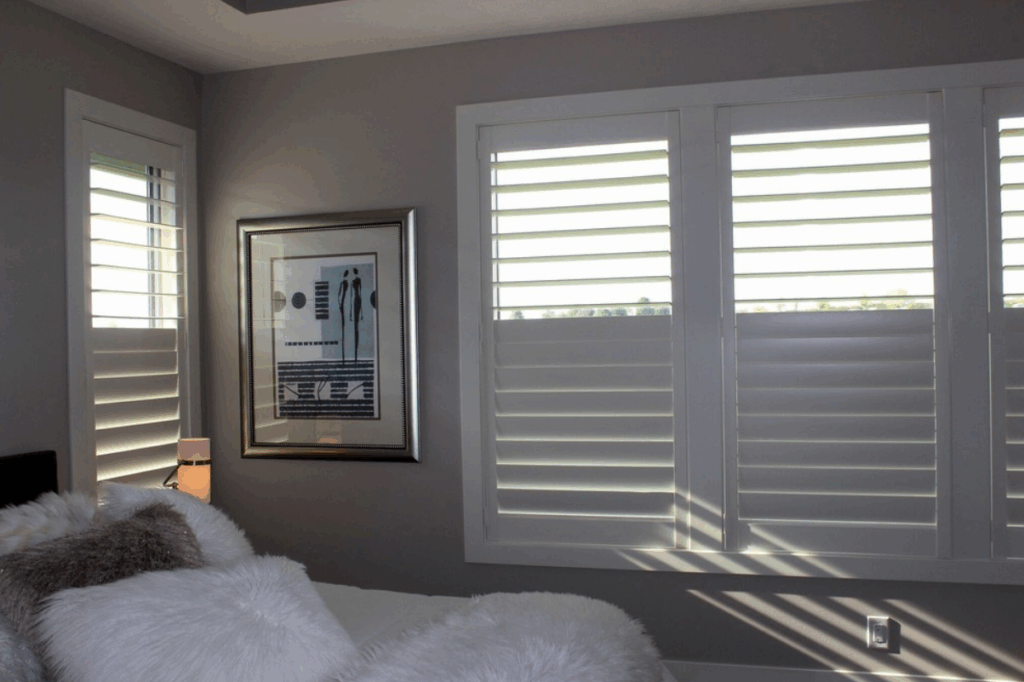
Windows may be the eyes of a home, but window treatments are the unsung heroes that set the mood, control light, and add style. Choosing easy-to-clean blinds, shades, or shutters is already a smart move—yet even the most durable products need thoughtful care to stay beautiful year after year. In this guide, we’ll show you exactly how to extend the life of your easy-to-clean window treatments with simple routines, deep-cleaning techniques, and protective habits anyone can master.
Before diving into maintenance, it helps to know what makes certain blinds and shades “easy to clean.” Manufacturers incorporate dust-repellent finishes, moisture-resistant coatings, or wipe-friendly synthetic fabrics. Common examples include faux-wood blinds, PVC shutters, aluminum minis, and roller shades with vinyl backings. These materials resist staining and require less water, soap, and elbow grease than traditional cloth draperies.
However, “easy-to-clean” does not mean “maintenance-free.” Dust, humidity, cooking fumes, and UV rays still affect surface finishes over time. Understanding the construction of your specific treatment—slats vs. fabric, cords vs. cordless, and painted vs. embedded color—guides which cleaning products and tools are safe to use.
Most damage to window coverings starts with airborne dust and pollen that settle into joints and fibers. A quick weekly routine prevents buildup:
Once a month, inspect cords, wands, and mechanisms. Look for fraying, knots, or uneven tension. Addressing minor issues early reduces strain that can shorten the life span of the entire assembly.
Each season, wipe slats or fabric fronts with a lightly damp cloth. Warm water and a drop of mild dish soap remove oily residue from cooking or indoor heating. Make sure to wring cloths until just barely moist; standing water can warp materials over time.
Even with diligent dusting, most homes need a deep clean two to four times a year—especially after allergy season or home renovations. Use the guide below to match the best method to your window treatments.
Avoid scouring pads or abrasive cleaners that can scratch factory finishes.
Non-porous vinyl backs let you wipe both sides easily. For fabric fronts, use a handheld steam cleaner set to low, moving in downward strokes. Steam loosens grime without oversaturating fibers.
These trap dust inside the cells. Use compressed air in short bursts to blow debris out the ends. Follow with a vacuum brush to pick up particles.
Bamboo or grass weaves require extra caution. Limit cleaning to dry dusting and occasional spot-cleaning with a damp (not wet) cloth. Excessive moisture can cause warping or discoloration.
Continuous sun exposure fades dyes and weakens plastics. Install window film or use a double window-treatment setup—sheers during peak daylight and blinds for full coverage. Rotating slats a quarter-turn monthly distributes sun impact more evenly.
High moisture invites mold, especially in bathrooms and kitchens. Run exhaust fans, use dehumidifiers, and choose moisture-resistant materials like faux-wood or vinyl in damp zones.
Prolonged heat from radiators can cause warping. Leave at least two inches of clearance between blinds and heat sources. During winter, avoid letting blinds rest on cold window panes, which can make plastic brittle.
Everyday actions make a big difference in longevity.
Cordless systems eliminate one of the most failure-prone parts. Motorized shades further reduce manual handling and often include soft-stop technology that lowers mechanical stress.
Curious cats and dogs love to look out windows. Install cord cleats out of reach and consider vertical blinds that slide aside instead of bending and breaking.
No matter how careful you are, accidents happen—slats crack, cords snap, or mechanisms jam. Deciding whether to repair or replace depends on severity, cost, and age of the treatment.
Take photos and model numbers before contacting service providers. Having particulars on hand speeds up parts sourcing.
DIY upkeep goes a long way, but some tasks—such as high-window cleaning, motor repair, or precise restringing—require specialized tools. Don’t hesitate to consult certified technicians like Bloomin' Blinds who offer on-site repair and replacement advice. Professionals can also suggest upgrades that pay off in energy savings and further maintenance reductions.
Read more: Top 5 Easy-to-Clean Window Treatments for Busy Homes
An easy-to-clean window treatment is an investment meant to last. By sticking to a consistent dusting schedule, applying material-specific deep-cleaning methods, and adopting protective habits, you can keep blinds, shades, and shutters functioning flawlessly for many years. Remember: small, regular efforts outperform sporadic, intensive cleanings. Your reward is bighter rooms, healthier indoor air, and money saved on premature replacements.
How often should I deep-clean my blinds?
Most homes benefit from a deep clean every three to six months, but households with pets, smokers, or high pollen counts may need it more frequently.
Can I use furniture polish on faux-wood blinds?
It’s best to avoid oil-based polishes. They can leave residue that attracts dust. A mild soap solution or dedicated blind cleaner is safer.
Do solar shades block UV without darkening the room?
Yes. Solar fabrics are rated by “openness factor.” A 5–10% openness blocks most UV rays while still allowing outward views and natural light.
What’s the safest window treatment for homes with toddlers?
Cordless cellular shades or shutter panels are excellent choices. They remove strangulation hazards and are durable enough to endure curious hands.
Warranty Info: All products offered by Bloomin’ Blinds are covered by a limited lifetime warranty for the original purchaser. The warranty protects against the following items: Warping, discoloration, manufacturer material defects and install issues. In the event of a warranty need, there will be no cost to the homeowner and Bloomin’ Blinds will service the repair at your home/office whenever possible. *** Warranty specifics varies by location, please contact for more information.
We are currently looking to expand our business in the territories listed below.
We are always looking to grow! If your preferred location is not listed, feel free to leave a note upon filling out the contact form!
Contact UsWe are currently looking to expand our business in the territories listed below.
We are always looking to grow! If your preferred location is not listed, feel free to leave a note upon filling out the contact form!
Contact UsWe currently have no opportunities available in the entire state of West Virginia.
We are always looking to grow! If your preferred location is not listed, feel free to leave a note upon filling out the contact form!
Contact UsWe are currently looking to expand our business in the territories listed below.
We are always looking to grow! If your preferred location is not listed, feel free to leave a note upon filling out the contact form!
Contact UsWe are currently looking to expand our business in the territories listed below.
We are always looking to grow! If your preferred location is not listed, feel free to leave a note upon filling out the contact form!
Contact UsWe are currently looking to expand our business in the territories listed below.
We are always looking to grow! If your preferred location is not listed, feel free to leave a note upon filling out the contact form!
Contact UsWe are currently looking to expand our business in the territories listed below.
We are always looking to grow! If your preferred location is not listed, feel free to leave a note upon filling out the contact form!
Contact UsWe are currently looking to expand our business in the territories listed below.
We are always looking to grow! If your preferred location is not listed, feel free to leave a note upon filling out the contact form!
Contact UsWe are currently looking to expand our business in the territories listed below.
We are always looking to grow! If your preferred location is not listed, feel free to leave a note upon filling out the contact form!
Contact UsWe currently have no opportunities available in the entire state of South Dakota.
We are always looking to grow! If your preferred location is not listed, feel free to leave a note upon filling out the contact form!
Contact UsWe are currently looking to expand our business in the territories listed below.
We are always looking to grow! If your preferred location is not listed, feel free to leave a note upon filling out the contact form!
Contact UsWe are currently looking to expand our business in the territories listed below.
We are always looking to grow! If your preferred location is not listed, feel free to leave a note upon filling out the contact form!
Contact UsWe are currently looking to expand our business in the territories listed below.
We are always looking to grow! If your preferred location is not listed, feel free to leave a note upon filling out the contact form!
Contact UsWe are currently looking to expand our business in the territories listed below.
We are always looking to grow! If your preferred location is not listed, feel free to leave a note upon filling out the contact form!
Contact UsWe are currently looking to expand our business in the territories listed below.
We are always looking to grow! If your preferred location is not listed, feel free to leave a note upon filling out the contact form!
Contact UsWe are currently looking to expand our business in the territories listed below.
We are always looking to grow! If your preferred location is not listed, feel free to leave a note upon filling out the contact form!
Contact UsWe currently have no opportunities available in the entire state of North Dakota.
We are always looking to grow! If your preferred location is not listed, feel free to leave a note upon filling out the contact form!
Contact UsWe are currently looking to expand our business in the territories listed below.
We are always looking to grow! If your preferred location is not listed, feel free to leave a note upon filling out the contact form!
Contact UsWe are currently looking to expand our business in the territories listed below.
We are always looking to grow! If your preferred location is not listed, feel free to leave a note upon filling out the contact form!
Contact UsWe are currently looking to expand our business in the territories listed below.
We are always looking to grow! If your preferred location is not listed, feel free to leave a note upon filling out the contact form!
Contact UsWe are currently looking to expand our business in the territories listed below.
We are always looking to grow! If your preferred location is not listed, feel free to leave a note upon filling out the contact form!
Contact UsWe currently have no opportunities available in the entire state of New Hampshire.
We are always looking to grow! If your preferred location is not listed, feel free to leave a note upon filling out the contact form!
Contact UsWe are currently looking to expand our business in the territories listed below.
We are always looking to grow! If your preferred location is not listed, feel free to leave a note upon filling out the contact form!
Contact UsWe currently have no opportunities available in the entire state of Nebraska.
We are always looking to grow! If your preferred location is not listed, feel free to leave a note upon filling out the contact form!
Contact UsWe are currently looking to expand our business in the territories listed below.
We are always looking to grow! If your preferred location is not listed, feel free to leave a note upon filling out the contact form!
Contact UsWe are currently looking to expand our business in the territories listed below.
We are always looking to grow! If your preferred location is not listed, feel free to leave a note upon filling out the contact form!
Contact UsWe are currently looking to expand our business in the territories listed below.
We are always looking to grow! If your preferred location is not listed, feel free to leave a note upon filling out the contact form!
Contact UsWe are currently looking to expand our business in the territories listed below.
We are always looking to grow! If your preferred location is not listed, feel free to leave a note upon filling out the contact form!
Contact UsWe are currently looking to expand our business in the territories listed below.
We are always looking to grow! If your preferred location is not listed, feel free to leave a note upon filling out the contact form!
Contact UsWe are currently looking to expand our business in the territories listed below.
We are always looking to grow! If your preferred location is not listed, feel free to leave a note upon filling out the contact form!
Contact UsWe are currently looking to expand our business in the territories listed below.
We are always looking to grow! If your preferred location is not listed, feel free to leave a note upon filling out the contact form!
Contact UsWe are currently looking to expand our business in the territories listed below.
We are always looking to grow! If your preferred location is not listed, feel free to leave a note upon filling out the contact form!
Contact UsWe are currently looking to expand our business in the territories listed below.
We are always looking to grow! If your preferred location is not listed, feel free to leave a note upon filling out the contact form!
Contact UsWe are currently looking to expand our business in the territories listed below.
We are always looking to grow! If your preferred location is not listed, feel free to leave a note upon filling out the contact form!
Contact UsWe are currently looking to expand our business in the territories listed below.
We are always looking to grow! If your preferred location is not listed, feel free to leave a note upon filling out the contact form!
Contact UsWe are currently looking to expand our business in the territories listed below.
We are always looking to grow! If your preferred location is not listed, feel free to leave a note upon filling out the contact form!
Contact UsWe are currently looking to expand our business in the territories listed below.
We are always looking to grow! If your preferred location is not listed, feel free to leave a note upon filling out the contact form!
Contact UsWe are currently looking to expand our business in the territories listed below.
We are always looking to grow! If your preferred location is not listed, feel free to leave a note upon filling out the contact form!
Contact UsWe are currently looking to expand our business in the territories listed below.
We are always looking to grow! If your preferred location is not listed, feel free to leave a note upon filling out the contact form!
Contact UsWe currently have no opportunities available in the entire state of Hawaii.
We are always looking to grow! If your preferred location is not listed, feel free to leave a note upon filling out the contact form!
Contact UsWe are currently looking to expand our business in the territories listed below.
We are always looking to grow! If your preferred location is not listed, feel free to leave a note upon filling out the contact form!
Contact UsWe are currently looking to expand our business in the territories listed below.
We are always looking to grow! If your preferred location is not listed, feel free to leave a note upon filling out the contact form!
Contact UsWe currently have no opportunities available in the entire state of Delaware.
We are always looking to grow! If your preferred location is not listed, feel free to leave a note upon filling out the contact form!
Contact UsWe are currently looking to expand our business in the territories listed below.
We are always looking to grow! If your preferred location is not listed, feel free to leave a note upon filling out the contact form!
Contact UsWe currently have no opportunities available in the entire state of Colorado.
We are always looking to grow! If your preferred location is not listed, feel free to leave a note upon filling out the contact form!
Contact UsWe are currently looking to expand our business in the territories listed below.
We are always looking to grow! If your preferred location is not listed, feel free to leave a note upon filling out the contact form!
Contact UsWe are currently looking to expand our business in the territories listed below.
We are always looking to grow! If your preferred location is not listed, feel free to leave a note upon filling out the contact form!
Contact UsWe are currently looking to expand our business in the territories listed below.
We are always looking to grow! If your preferred location is not listed, feel free to leave a note upon filling out the contact form!
Contact UsWe currently have no opportunities available in the entire state of Alaska.
We are always looking to grow! If your preferred location is not listed, feel free to leave a note upon filling out the contact form!
Contact UsWe are currently looking to expand our business in the territories listed below.
We are always looking to grow! If your preferred location is not listed, feel free to leave a note upon filling out the contact form!
Contact Us