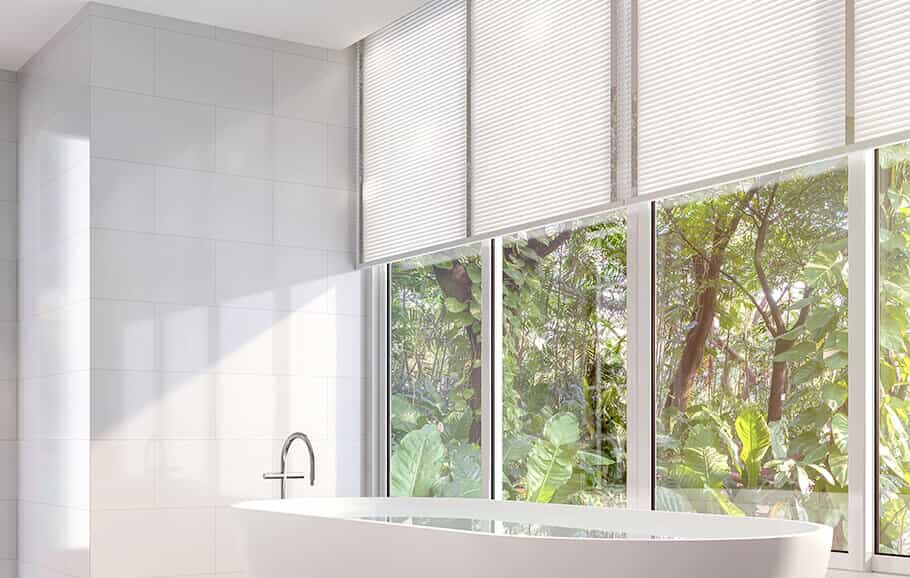
Imagine opening every shade in your living room with a single tap while you sip your morning coffee, or having your bedroom blinds close automatically at sunset so you can wind down without lifting a finger. Motorized window treatments make these small luxuries possible, and they are no longer reserved for high-end show homes. With countless fabric, power, and control options on the market, however, choosing the right system can feel overwhelming. This guide breaks the process into clear, actionable steps so anyone—from first-time buyers to seasoned renovators—can select motorized shades or blinds that look great, perform flawlessly, and fit the budget.
Before comparing brands or fabrics, it helps to understand why motorized window treatments have become so popular. Convenience tops the list—raising and lowering shades via remote, wall switch, or smartphone is inherently easier than tugging on cords. Safety is another major perk; cordless designs eliminate a strangulation hazard for children and pets. Many homeowners also praise the sleek, uncluttered look that motorized systems provide. Finally, automation capabilities—such as scheduling, sun-tracking, and voice control—enhance comfort and can even boost home value. By focusing on these core benefits, you’ll be better equipped to prioritize features later in the selection process.
Every space has unique challenges, so start by evaluating the room where you plan to install motorized treatments. Note window orientation, size, and the amount of natural light throughout the day. South- and west-facing windows often require robust UV protection, while north-facing spaces may prioritize insulation. Consider how you use the room: a media room may need blackout fabrics, whereas a kitchen might call for easy-clean materials. Finally, examine the existing décor. The goal is to choose a system that enhances both function and aesthetics without overpowering the space.
Power is the lifeblood of any motorized solution. You’ll typically choose from three sources, each with pros and cons:
Choose the option that aligns with your renovation timeline, electrical access, and willingness to perform maintenance.
Today’s motorized window treatments can be operated in multiple ways. Traditional handheld remotes remain popular, but wall-mounted keypads, smartphone apps, and voice assistants like Alexa or Google Assistant are increasingly common. For the tech-savvy, smart home hubs allow shades to sync with lighting, thermostats, and security systems for holistic automation. For instance, a sunrise routine might raise blinds gradually while dimming bedroom lights, easing you into the day. When evaluating brands, verify compatibility with your current or planned ecosystem to avoid costly workarounds later.
Fabric is more than a design element—it determines how the treatment performs. Sheer fabrics filter light and preserve views, making them perfect for living rooms with scenic outlooks. Dim-out fabrics provide enhanced privacy while softly diffusing sunlight, ideal for home offices or bathrooms. Blackout layers block up to 99% of light, a must for bedrooms and media rooms. If humidity is a concern, look for moisture-resistant materials or faux woods. Allergies? Antimicrobial coatings can reduce dust and allergens. Lastly, consider fabric thickness and opacity, as heavier materials may require stronger motors.
Read more: Modern vs. Classic - Different Styles of Decorative Window Treatments
The right motorized treatment should feel like an extension of your interior design. Neutral tones such as whites, grays, and beiges blend seamlessly with most palettes, while bold colors can serve as an accent or focal point. Texture adds depth; linen weaves evoke warmth, whereas sleek metallized fabrics impart a contemporary edge. Pay attention to hardware finishes as well—brushed nickel or matte black headrails can complement fixtures throughout the room. When in doubt, request fabric swatches and hold them against walls, flooring, and upholstery under natural and artificial light.
Balancing daylight and privacy is at the heart of window treatment selection. Dual-shade systems stack a sheer and blackout layer on the same window, giving you day-to-night flexibility. Top-down/bottom-up designs allow light entry at eye level while protecting privacy. For rooms facing busy streets, privacy may trump view; in scenic locations, preserving sightlines could be the priority. Motorization makes these transitions effortless, so think through the different scenarios you encounter over a typical day before committing to a single fabric or configuration.
According to the U.S. Department of Energy, up to 30% of a home’s heating and cooling energy can escape through windows. Motorized treatments mitigate this loss by closing automatically during the hottest or coldest parts of the day. Cellular or honeycomb shades trap air in hexagonal pockets, providing insulation without bulk. Solar screens with metallized backings reflect UV rays while maintaining outward visibility. Some systems integrate with smart thermostats to react dynamically to indoor temperatures, further reducing energy bills. Over time, these savings can offset the initial investment.
A precise fit is essential for smooth, quiet operation. Start by deciding between inside mount (fitting within the window frame) and outside mount (overlapping the frame and wall). Inside mounts have a built-in, custom look but require square, obstruction-free frames. Measure the width at the top, middle, and bottom, recording the narrowest point to the nearest 1⁄8 inch. For height, measure left, center, and right, using the longest number. Outside mounts offer greater light blockage. Here, add at least 2 inches to width and height beyond the frame to ensure complete coverage.
The price tag for motorized window treatments can vary widely—from under $300 for a basic battery-powered roller shade to over $1,500 for large, hardwired dual shades with integrated smart-home features. Remember to factor in accessories such as remotes, hubs, and power supplies. While hardwired systems cost more up front, they may require less maintenance and enjoy longer motor life. Consider warranties as well; reputable manufacturers offer 5–10-year coverage on motors and lifetime warranties on fabrics. Calculate not just the purchase cost but also ongoing expenses such as battery replacements or electrical work.
Many retailers advertise simple DIY installation with mounting brackets and step-by-step instructions. If you’re comfortable using basic tools and your windows are standard sizes, this route can save money. However, large or specialty windows, hardwired power, or integration into sophisticated automation systems often warrant professional help. Certified installers ensure brackets are level, motors properly calibrated, and controls programmed correctly. They can also troubleshoot Wi-Fi interference or Zigbee/Z-Wave pairing issues on the spot. Weigh the potential cost savings against the peace of mind that professional installation provides.
Quality motorized treatments can last a decade or more with minimal upkeep. Regularly dust fabrics with a microfiber cloth or vacuum them using a brush attachment on low suction. Avoid harsh chemicals; mild soap and water suffice for spot cleaning most textiles. For battery-powered units, set calendar reminders to recharge or replace batteries before they fully deplete, preventing motor strain. If your system includes firmware updates via a hub or app, install them promptly to maintain security and compatibility. Finally, operate shades periodically—if only seasonally—to keep internal gears lubricated and functioning smoothly.
Choosing the right motorized window treatments is a multi-layered decision that blends technology, design, and lifestyle considerations. By evaluating your room’s unique requirements, selecting an appropriate power source, aligning control options with your smart-home goals, and balancing aesthetics with performance, you’ll create a solution that elevates both comfort and style. As you finalize your purchase, remember that precise measuring, realistic budgeting, and proper maintenance will protect your investment for years to come. Ready to transform your space? Explore samples, request quotes, and schedule installation—your future of effortless light control is just one click away.
Are motorized shades noisy?
No. Most modern motors operate under 45 decibels—about the volume of a quiet library—making them suitable even for bedrooms and nurseries.
How long do the batteries last?
Rechargeable lithium-ion batteries typically last 6–12 months per charge, depending on shade size and daily usage. Some brands offer solar panels to extend this interval.
Can I retrofit my existing blinds?
Yes. Several kits add motorization to compatible roller, Roman, or cellular shades. Verify size limits and fabric weight to ensure reliable lifting capacity.
Will motorized treatments work during a power outage?
Battery-powered and hybrid models continue operating when the electricity fails. Hardwired systems require backup power to function, though manual override options exist on select models.
Warranty Info: All products offered by Bloomin’ Blinds are covered by a limited lifetime warranty for the original purchaser. The warranty protects against the following items: Warping, discoloration, manufacturer material defects and install issues. In the event of a warranty need, there will be no cost to the homeowner and Bloomin’ Blinds will service the repair at your home/office whenever possible. *** Warranty specifics varies by location, please contact for more information.
We are currently looking to expand our business in the territories listed below.
We are always looking to grow! If your preferred location is not listed, feel free to leave a note upon filling out the contact form!
Contact UsWe are currently looking to expand our business in the territories listed below.
We are always looking to grow! If your preferred location is not listed, feel free to leave a note upon filling out the contact form!
Contact UsWe currently have no opportunities available in the entire state of West Virginia.
We are always looking to grow! If your preferred location is not listed, feel free to leave a note upon filling out the contact form!
Contact UsWe are currently looking to expand our business in the territories listed below.
We are always looking to grow! If your preferred location is not listed, feel free to leave a note upon filling out the contact form!
Contact UsWe are currently looking to expand our business in the territories listed below.
We are always looking to grow! If your preferred location is not listed, feel free to leave a note upon filling out the contact form!
Contact UsWe are currently looking to expand our business in the territories listed below.
We are always looking to grow! If your preferred location is not listed, feel free to leave a note upon filling out the contact form!
Contact UsWe are currently looking to expand our business in the territories listed below.
We are always looking to grow! If your preferred location is not listed, feel free to leave a note upon filling out the contact form!
Contact UsWe are currently looking to expand our business in the territories listed below.
We are always looking to grow! If your preferred location is not listed, feel free to leave a note upon filling out the contact form!
Contact UsWe are currently looking to expand our business in the territories listed below.
We are always looking to grow! If your preferred location is not listed, feel free to leave a note upon filling out the contact form!
Contact UsWe currently have no opportunities available in the entire state of South Dakota.
We are always looking to grow! If your preferred location is not listed, feel free to leave a note upon filling out the contact form!
Contact UsWe are currently looking to expand our business in the territories listed below.
We are always looking to grow! If your preferred location is not listed, feel free to leave a note upon filling out the contact form!
Contact UsWe are currently looking to expand our business in the territories listed below.
We are always looking to grow! If your preferred location is not listed, feel free to leave a note upon filling out the contact form!
Contact UsWe are currently looking to expand our business in the territories listed below.
We are always looking to grow! If your preferred location is not listed, feel free to leave a note upon filling out the contact form!
Contact UsWe are currently looking to expand our business in the territories listed below.
We are always looking to grow! If your preferred location is not listed, feel free to leave a note upon filling out the contact form!
Contact UsWe are currently looking to expand our business in the territories listed below.
We are always looking to grow! If your preferred location is not listed, feel free to leave a note upon filling out the contact form!
Contact UsWe are currently looking to expand our business in the territories listed below.
We are always looking to grow! If your preferred location is not listed, feel free to leave a note upon filling out the contact form!
Contact UsWe currently have no opportunities available in the entire state of North Dakota.
We are always looking to grow! If your preferred location is not listed, feel free to leave a note upon filling out the contact form!
Contact UsWe are currently looking to expand our business in the territories listed below.
We are always looking to grow! If your preferred location is not listed, feel free to leave a note upon filling out the contact form!
Contact UsWe are currently looking to expand our business in the territories listed below.
We are always looking to grow! If your preferred location is not listed, feel free to leave a note upon filling out the contact form!
Contact UsWe are currently looking to expand our business in the territories listed below.
We are always looking to grow! If your preferred location is not listed, feel free to leave a note upon filling out the contact form!
Contact UsWe are currently looking to expand our business in the territories listed below.
We are always looking to grow! If your preferred location is not listed, feel free to leave a note upon filling out the contact form!
Contact UsWe currently have no opportunities available in the entire state of New Hampshire.
We are always looking to grow! If your preferred location is not listed, feel free to leave a note upon filling out the contact form!
Contact UsWe are currently looking to expand our business in the territories listed below.
We are always looking to grow! If your preferred location is not listed, feel free to leave a note upon filling out the contact form!
Contact UsWe currently have no opportunities available in the entire state of Nebraska.
We are always looking to grow! If your preferred location is not listed, feel free to leave a note upon filling out the contact form!
Contact UsWe are currently looking to expand our business in the territories listed below.
We are always looking to grow! If your preferred location is not listed, feel free to leave a note upon filling out the contact form!
Contact UsWe are currently looking to expand our business in the territories listed below.
We are always looking to grow! If your preferred location is not listed, feel free to leave a note upon filling out the contact form!
Contact UsWe are currently looking to expand our business in the territories listed below.
We are always looking to grow! If your preferred location is not listed, feel free to leave a note upon filling out the contact form!
Contact UsWe are currently looking to expand our business in the territories listed below.
We are always looking to grow! If your preferred location is not listed, feel free to leave a note upon filling out the contact form!
Contact UsWe are currently looking to expand our business in the territories listed below.
We are always looking to grow! If your preferred location is not listed, feel free to leave a note upon filling out the contact form!
Contact UsWe are currently looking to expand our business in the territories listed below.
We are always looking to grow! If your preferred location is not listed, feel free to leave a note upon filling out the contact form!
Contact UsWe are currently looking to expand our business in the territories listed below.
We are always looking to grow! If your preferred location is not listed, feel free to leave a note upon filling out the contact form!
Contact UsWe are currently looking to expand our business in the territories listed below.
We are always looking to grow! If your preferred location is not listed, feel free to leave a note upon filling out the contact form!
Contact UsWe are currently looking to expand our business in the territories listed below.
We are always looking to grow! If your preferred location is not listed, feel free to leave a note upon filling out the contact form!
Contact UsWe are currently looking to expand our business in the territories listed below.
We are always looking to grow! If your preferred location is not listed, feel free to leave a note upon filling out the contact form!
Contact UsWe are currently looking to expand our business in the territories listed below.
We are always looking to grow! If your preferred location is not listed, feel free to leave a note upon filling out the contact form!
Contact UsWe are currently looking to expand our business in the territories listed below.
We are always looking to grow! If your preferred location is not listed, feel free to leave a note upon filling out the contact form!
Contact UsWe are currently looking to expand our business in the territories listed below.
We are always looking to grow! If your preferred location is not listed, feel free to leave a note upon filling out the contact form!
Contact UsWe are currently looking to expand our business in the territories listed below.
We are always looking to grow! If your preferred location is not listed, feel free to leave a note upon filling out the contact form!
Contact UsWe are currently looking to expand our business in the territories listed below.
We are always looking to grow! If your preferred location is not listed, feel free to leave a note upon filling out the contact form!
Contact UsWe currently have no opportunities available in the entire state of Hawaii.
We are always looking to grow! If your preferred location is not listed, feel free to leave a note upon filling out the contact form!
Contact UsWe are currently looking to expand our business in the territories listed below.
We are always looking to grow! If your preferred location is not listed, feel free to leave a note upon filling out the contact form!
Contact UsWe are currently looking to expand our business in the territories listed below.
We are always looking to grow! If your preferred location is not listed, feel free to leave a note upon filling out the contact form!
Contact UsWe currently have no opportunities available in the entire state of Delaware.
We are always looking to grow! If your preferred location is not listed, feel free to leave a note upon filling out the contact form!
Contact UsWe are currently looking to expand our business in the territories listed below.
We are always looking to grow! If your preferred location is not listed, feel free to leave a note upon filling out the contact form!
Contact UsWe currently have no opportunities available in the entire state of Colorado.
We are always looking to grow! If your preferred location is not listed, feel free to leave a note upon filling out the contact form!
Contact UsWe are currently looking to expand our business in the territories listed below.
We are always looking to grow! If your preferred location is not listed, feel free to leave a note upon filling out the contact form!
Contact UsWe are currently looking to expand our business in the territories listed below.
We are always looking to grow! If your preferred location is not listed, feel free to leave a note upon filling out the contact form!
Contact UsWe are currently looking to expand our business in the territories listed below.
We are always looking to grow! If your preferred location is not listed, feel free to leave a note upon filling out the contact form!
Contact UsWe currently have no opportunities available in the entire state of Alaska.
We are always looking to grow! If your preferred location is not listed, feel free to leave a note upon filling out the contact form!
Contact UsWe are currently looking to expand our business in the territories listed below.
We are always looking to grow! If your preferred location is not listed, feel free to leave a note upon filling out the contact form!
Contact Us