


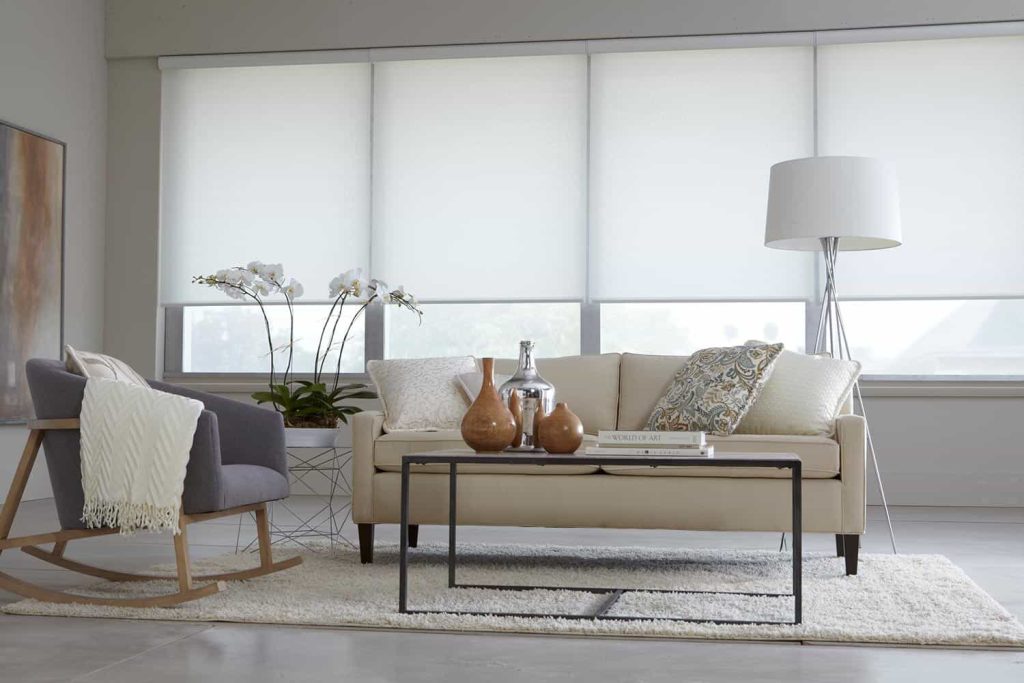
Did you know that an estimated 30% of the energy you pay to heat or cool your home literally slips right out the window? Drafty panes and sun-scorched glass can sabotage indoor comfort and hike utility bills. Fortunately, there’s a stylish solution that does double duty: privacy window treatments. Beyond shielding your living space from prying eyes, today’s high-performance shades, blinds, and films act as an extra layer of insulation, helping everyday homeowners conserve energy without costly renovations. In this guide, we’ll explore how these versatile coverings work, which options deliver the best results, and simple steps to maximize savings.
The Hidden Energy Leak Potential of Windows
Even modern, double-pane windows can become weak links in your home’s thermal envelope. Glass is a poor insulator, and gaps around frames invite unwanted air exchange. When summer sun pours through clear glass, indoor temperatures climb, forcing your air-conditioner to work overtime. In winter, that same pane allows precious heat to radiate outdoors. The result? Higher energy consumption, inconsistent room temperatures, and drafts that compromise comfort.
The Science of Heat Transfer
Heat moves in three basic ways—conduction, convection, and radiation. Windows accelerate all three:
- Conduction: Warm air inside touches cold glass and loses heat.
- Convection: Temperature differences create air currents that pull warm air toward the window and cooler air inward.
- Radiation: Sunlight streams through glass, raising surface temperatures and creating a greenhouse effect.
By adding the right window covering, you insert an insulating layer that disrupts these pathways, keeping conditioned air where you want it.
What Are Privacy Window Treatments?
Privacy window treatments are coverings designed to obscure outside views into your home while still allowing light control, ventilation, and—when chosen wisely—enhanced insulation. Common examples include:
- Cellular or honeycomb shades
- Wood, faux-wood, or composite blinds
- Blackout Shades
- Decorative window films
- Interior shutters
Each product balances light filtration, aesthetic appeal, and heat retention differently. By understanding their unique properties, you can pick a treatment that delivers both privacy and measurable energy savings.
How They Boost Energy Efficiency
Privacy-oriented coverings improve efficiency through several mechanisms:
- Added Insulation: Thick fabrics or air pockets (as in honeycomb shades) slow heat transfer.
- Reflective Surfaces: Films and certain blinds bounce solar radiation back outside.
- Airtight Seals: Floor-length draperies or mounted shutters limit drafts around window edges.
- Adjustable Control: Tiltable slats and dual-fabric shades let you fine-tune daylight without sacrificing comfort.
According to the U.S. Department of Energy, well-selected window treatments can slash summertime heat gain by up to 77% and cut winter heat loss by roughly 25%. Over 12 months, that translates into lower HVAC runtimes and noticeable bill reductions.
Read More: Can Window Treatments Improve Energy Efficiency Over the Summer?
Types of Treatments and Their R-Values
R-Value measures resistance to heat flow—the higher the number, the better the insulation. Below is a snapshot of popular privacy options and their typical performance ranges:
- Cellular Shades (Double or Triple Cell): R-Value 3.0–5.0 when fully lowered; the honeycomb pockets trap air, forming a barrier.
- Thermal Curtains with Insulated Liners: R-Value 2.0–3.5; dense weaves cut drafts and block radiant heat.
- Interior Wooden Shutters: R-Value 2.5–3.0; rigid material and snug fit provide dependable insulation.
- Reflective Window Film: R-Value boost is modest (around 1.2) but solar heat gain coefficient can drop by 50% or more, keeping rooms cooler.
- Horizontal or Vertical Blinds: R-Value 1.5–2.0; adjustable slats allow airflow but limited insulation compared to cellular shades.
While numbers vary by brand and installation quality, even a single-layer treatment can outperform bare glass significantly.
Choosing the Right Option for Your Home
Climate, window orientation, budget, and design style all influence the best choice. Consider the following factors:
Climate & Seasonal Needs
- Mixed Zones: Layer window coverings (e.g., sheer shade + blackout curtain) for maximum flexibility year-round.
- Cold-Weather Regions: Opt for dual-cell shades or heavy drapery that hug the frame to seal out drafts.
- Hot, Sunny Climates: Reflective films or light-colored blinds reduce solar gain without darkening the room.
Window Orientation
South- and west-facing windows receive the most intense sun. Prioritize high-reflectivity solutions or automated shades for these panes. North-facing windows benefit more from insulating fabrics that cut winter chill.
Style & Budget
If architectural character is key, wood shutters provide a timeless look with mid-range efficiency. Cost-conscious homeowners may lean toward do-it-yourself insulating film kits coupled with cellular shades for the best dollar-to-savings ratio.
Installation & Maintenance Tips
Proper installation is critical for both privacy and performance. Follow these guidelines:
- Inside vs. Outside Mount: An inside mount looks sleek but can leave small gaps. For maximum insulation, select an outside mount that overlaps the frame.
- Seal the Edges: Use magnetic strips or Velcro along curtain sides to prevent air leakage.
- Automate Where Possible: Motorized shades can be scheduled to close during peak sun and open for passive heating.
- Regular Cleaning: Dusty blinds and grimy films reduce reflectivity. Wipe surfaces with a microfiber cloth monthly.
- Annual Inspection: Look for sagging fabric, loose hardware, or peeling film that can compromise efficiency.
Cost vs. Savings – What to Expect
Upfront costs range widely—from under $50 per window for DIY film to $300-$700 for custom wood shutters. Yet savings accrue each month:
- Cellular Shades: Typical payback period is 3-5 years, thanks to 10%-20% heating and cooling reductions.
- Thermal Curtains: Often recouped within 2-3 years in cold climates.
- Reflective Film: Can save up to 30% on summer cooling, paying for itself in 1-2 seasons.
Combine treatments—such as film plus drapery—for compounded benefits and faster ROI.
Environmental Benefits & Beyond
Lower energy consumption doesn’t just pad your wallet—it shrinks your carbon footprint. Reducing HVAC runtime means fewer fossil fuels burned at power plants, cutting greenhouse gas emissions. Additionally, treatments that extend the life of your HVAC system lessen landfill waste associated with premature equipment replacement.
- Increased Home Value: Energy-smart upgrades appeal to eco-minded buyers and can boost resale appeal.
- Reduced Peak Demand: Strategically closed shades ease strain on the electrical grid during heat waves.
- Sustainable Materials: Many manufacturers now offer products made with recycled fabrics or responsibly harvested wood.
Secure Your Space and Save Energy with the Right Window Treatments
Privacy window treatments are more than décor; they’re practical tools for optimizing household energy use. By selecting the right combination of shades, blinds, or films, you can block unwanted solar heat, trap indoor warmth during winter, and enjoy a more comfortable living space year-round. Best of all, these upgrades typically install in an afternoon, making them an accessible first step on your journey to a greener, more cost-efficient home. Ready to start saving? Measure your windows, compare R-Values, and make an informed purchase you’ll appreciate every time the utility bill arrives.
Why Choose Bloomin’ Blinds for Privacy Window Treatments
At Bloomin’ Blinds, we offer a wide range of privacy window treatments designed to enhance your home’s comfort, style, and energy efficiency. Whether you’re looking for insulated shades, light-filtering blinds, or custom solutions, our team is here to help you make the best choice for your space. Schedule a free consultation today and discover how the right window treatments can make a lasting difference.
Frequently Asked Questions
Q1. Do privacy window treatments make a noticeable difference on energy bills?
Yes. Depending on your climate and the product chosen, homeowners commonly report 10%–30% reductions in heating and cooling costs.
Q2. Will I lose natural light if I install insulating curtains?
Not necessarily. Layering sheer curtains behind thermal drapes lets you draw the heavy layer only when maximum insulation is required.
Q3. Are DIY window films hard to remove?
Quality films use adhesives designed for clean removal. Heating the surface with a hair dryer softens glue, allowing the sheet to peel off without residue.
Q4. Can I combine different treatments on the same window?
Absolutely. A popular strategy is pairing reflective film with cellular shades or curtains to address both radiant and conductive heat transfer.


