


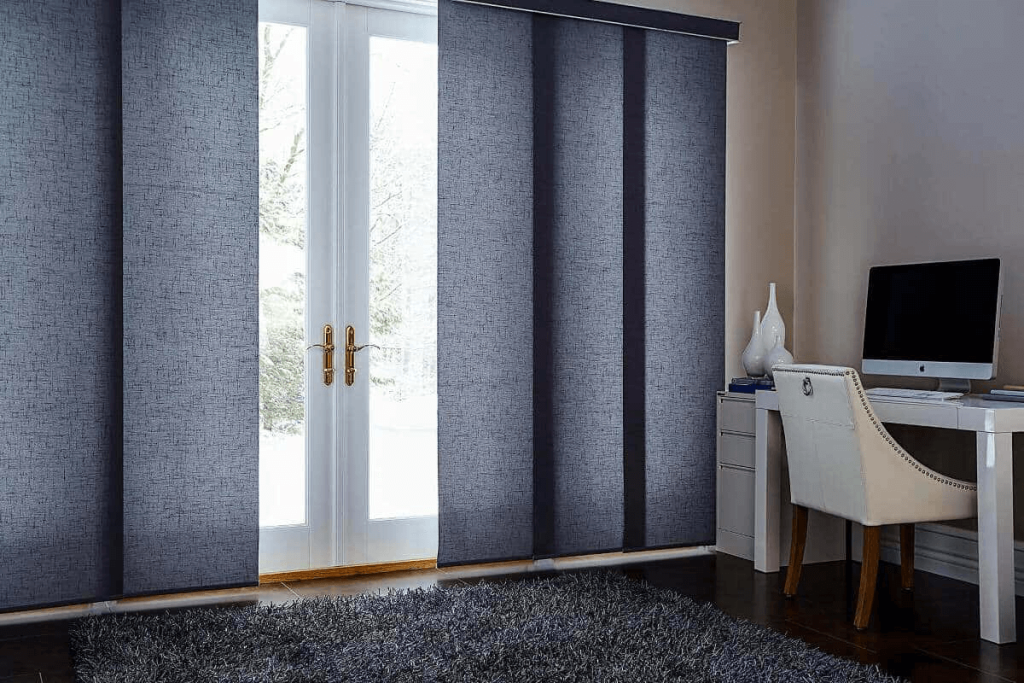
Few household elements attract as much curiosity from young children as windows. The shifting light, the moving shadows, and the tempting cords hanging at their sides can all become hazards in a blink. If you are a parent, caregiver, or simply hosting little ones, choosing child-safe window treatments is more than a decorating decision—it’s a safety imperative. In this guide, we compare two of the most common options—blinds and curtains—through a child-safety lens, so you can feel confident that the view outside does not compromise the safety inside.
Why Child Safety Matters With Window Treatments
According to consumer-product safety reports, dangling cords from traditional blinds are a leading cause of non-fatal injuries and strangulation hazards in children under five. Even seemingly harmless curtain tiebacks can become looped around a toddler’s neck during play. Because kids explore with touch and climb instinctively, any object within reach becomes part of their adventure. That is why evaluating window coverings for potential hazards is as essential as installing cabinet locks or outlet covers.
Child-safe design focuses on eliminating entrapment, reducing choking risks, and preventing falls from windows. Modern window-treatment manufacturers address these goals through cordless technology, break-away devices, and specialized mounting. Yet no single solution is universally perfect. Understanding the specific pros and cons of blinds and curtains helps you choose a combination of features, installation methods, and safety habits that work for your home.
Types of Blinds and Their Safety Features
Blinds cover windows with horizontal or vertical slats you can tilt to control light and privacy. Not all blinds are equally safe for children, but recent innovations dramatically improve their risk profile. Below is a breakdown of common blind styles and the safety options available.
Cordless Cellular Shades
- How they work: A spring-loaded mechanism lets you raise or lower the shade by gently pushing the bottom rail.
- Safety benefit: No manual cords, and many models stop automatically when they hit an obstacle, protecting small fingers.
- Bonus: Honeycomb construction offers insulation, lowering energy bills.
Motorized Roller Blinds
- How they work: An electric or battery-powered motor rolls the fabric up and down via remote, wall switch, or smart-home app.
- Safety benefit: No manual cords, and many models stop automatically when they hit an obstacle, protecting small fingers.
- Consideration: Higher upfront cost and the need to keep remotes out of children’s mouths.
Vertical Blinds With Wand Control
- How they work: A rigid wand replaces pull cords, allowing you to slide slats side-to-side and rotate them.
- Safety benefit: Wands remove dangerous loops while still granting full control of light and privacy.
- Downside: Slats can be tempting to tug, leading to misalignment or breakage.
Retro-Fit Safety Kits
If replacing blinds is not in the budget, retrofit kits supply cord cleats, break-away tassels, and internal cord shrouds that bring existing treatments closer to today’s standards. While better than doing nothing, these kits require permanent vigilance—loose cords must always be wrapped high and tight.
Read More: Best Child and Pet-Safe Window Treatment Options
Types of Curtains and Their Safety Features
Curtains and drapes offer softness and design versatility, but fabric panels also introduce unique safety considerations. The material, length, and hardware you choose will determine how kid-friendly your solution truly is.
Short Café Curtains
- Profile: Panels cover only the lower half of a window.
- Safety benefit: Kept well above floor level, they reduce tripping and climbing risks.
- Limitation: Provide limited light blocking and privacy.
Tab-Top or Grommet Panels
- Profile: Fabric loops or metal grommets slide directly onto a curtain rod.
- Safety benefit: These styles skip cords and rings, eliminating choking hazards.
- Tip: Use a sturdy rod anchored into wall studs to withstand tugs.
Motorized Drapery Tracks
- Profile: Motor moves the curtain along a track via remote or smart device.
- Safety benefit: No cords or dangling tiebacks.
- Caveat: As with motorized blinds, battery packs or power cords must remain out of reach.
Tiebacks and Holdbacks
Traditional tiebacks—ropes or fabric bands meant to style curtains open—can form loops at child height. Replace them with rigid holdback hooks mounted high on the wall. These keep fabric away from curious hands without introducing flexible cords.
Read More: Low-Maintenance Luxury – Easy-to-Clean Window Treatments That Work
Blinds vs. Curtains – Side-by-Side Safety Comparison
Choosing between blinds and curtains often comes down to more than aesthetics. Below we review the categories that matter most for keeping little explorers safe.
1. Strangulation Risk
- Blinds: Corded blinds score poorest here, but cordless and motorized models virtually eliminate loops.
- Curtains: Generally low strangulation risk unless tiebacks or pull cords are added. Long fabric can, however, still wrap around a child during rough play.
2. Climbing and Pulling
- Blinds: Slats give footholds. A determined toddler may scale the sill, potentially tipping furniture.
- Curtains: Floor-length drapes can double as ropes for climbing, risking rod collapse. Short or mid-length panels minimize temptation.
3. Finger Pinch Points
- Blinds: Venetian or vertical slats pinch when rotated. Safety spacers and slow-rise mechanisms help but do not remove risk entirely.
- Curtains: Soft fabric panels present no pinch points, though motorized tracks may nip fingers if sensors fail.
4. Maintenance and Wear
- Blinds: Small parts can break off and become choking hazards. Regular inspection is mandatory.
- Curtains: Loose buttons, beading, or heavy embellishments can detach. Choose simple, machine-washable fabrics.
Bottom line: A modern, cordless blind system or short, securely mounted curtain will outperform older, corded alternatives every time. The safest approach can even combine both—install cordless shades for light control, then layer stationary side panels purely for décor, keeping fabric and cords well out of reach.
Beyond Safety – Cost, Style, and Maintenance
Budget Implications
• Cordless cellular shades start around $40 per window, while motorized blinds or tracks can exceed $200 once you factor in electrification.
• Curtain panels vary widely—from $10 bargain polyester to $300 custom linen—but hardware (rods, brackets, finials) adds hidden costs.
Energy Efficiency
Cellular blinds offer R-value insulation that curtains cannot match unless you spring for heavy thermal drapes. In colder climates, that extra layer can translate into measurable heating savings.
Cleaning Requirements
- Blinds: Dust accumulates on slats. A quick vacuum brush weekly and deep wipe monthly keeps allergens down.
- Curtains: Machine washable if you select cotton or synthetics. Dry-clean-only fabrics increase annual maintenance costs.
Design Flexibility
Patterns and textures are easier to introduce with curtains, but blinds provide a sleek, minimalist look that many modern homes favor. You can also layer the two: install inside-mount cordless blinds for function and frame the window with decorative curtain panels hung well above toddler reach.
A Safer Home Starts with the Right Window Treatments
Window safety for children is no longer a luxury—it’s a baseline expectation. The good news is that advances in cordless and motorized technology make it easier than ever to achieve stylish, functional, and safe windows. Blinds deliver superior light control and insulation when upgraded to cordless or motorized versions. Curtains offer softness and design flair, especially in shorter lengths or with rigid holdbacks. Evaluate your space, budget, and daily routine, then combine the features that minimize risk without sacrificing style.
Why Trust Bloomin’ Blinds for Child-Safe Window Treatments?
At Bloomin’ Blinds, safety is never an afterthought—it’s a foundation. Our child-safe window treatments are thoughtfully designed to combine peace of mind with elevated style. Whether you’re upgrading to cordless blinds, choosing motorized systems, or customizing curtain solutions, our team helps you select options that meet both your aesthetic and safety goals. With expert guidance and personalized recommendations, we ensure every window in your home becomes a secure, stylish, and functional space for the whole family.
Call us today at (855) 457-1022 or find your nearest location!
Frequently Asked Questions
Are all cordless blinds completely safe for children?
Cordless designs remove looped pull cords, dramatically lowering strangulation risk. However, children can still bend slats or climb on sills, so supervision is always advised.
Can I retrofit my existing corded blinds?
Yes. Break-away cord connectors, cleats, and internal cord shrouds are cost-effective upgrades. While they improve safety, replacing units with true cordless models is still the gold standard.
Do short curtains look awkward on large windows?
Not if styled correctly. Mounting café curtains only on the lower sash of a double-hung window or pairing cordless blinds with stationary side panels can create a balanced, modern look.
How often should I inspect window treatments for hazards?
Perform a quick check monthly—tighten brackets, verify no loose parts, ensure cords remain out of reach. After playdates or room rearrangements, do a spot check to confirm nothing has come loose.


