


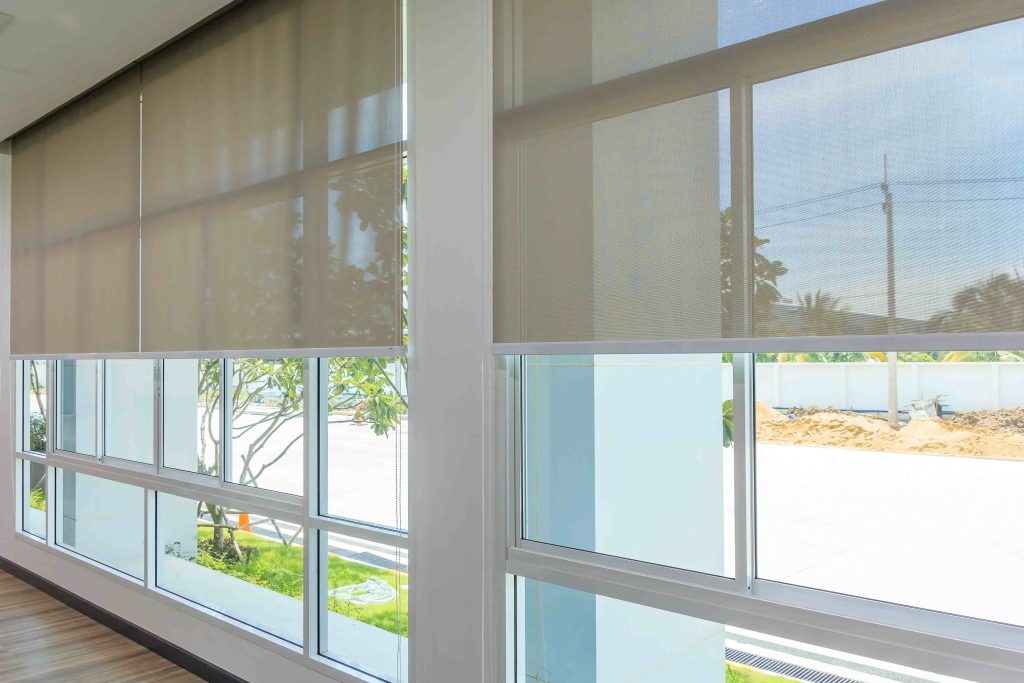
Living in Tucson means embracing brilliant sunshine, wide-open desert views, and temperatures that can soar well past the 100-degree mark. Your windows play a much bigger role than simply framing those vistas—they influence cooling costs, privacy, and the overall mood of each room. If you think attractive, functional window treatments have to drain your wallet, think again. This guide shares budget-friendly window treatment ideas specifically for Tucson residents, helping you beat the heat, filter harsh light, and add Southwest style without overspending.
Why Window Treatments Matter in Tucson
The Old Pueblo enjoys roughly 286 sunny days a year. While that sunshine is a mood booster, it can also fade furniture, spike cooling bills, and make TV screens impossible to see. The right shades, blinds, or curtains can:
- Reduce solar heat gain: Thick fabrics or reflective linings keep interiors cooler.
- Filter UV rays: Prevent fading of rugs, artwork, and upholstery.
- Provide privacy: City living or close-set neighborhoods call for coverage that still lets in daylight.
- Add personality: Pops of color or texture elevate neutral walls and tile floors common in Southwestern homes.
Because Tucson has mild winters, the largest savings come from cooling rather than heating. Even small upgrades can shave 15–25 percent off summer energy bills, freeing up cash for other home projects or weekend trips up Mount Lemmon.
Key Factors to Consider on a Budget
Before purchasing anything, outline your priorities. A low initial price is great, but if the fabric disintegrates after one summer, you will spend more to replace it. Here are budget-smart considerations:
- Sun orientation: South- and west-facing windows get the strongest desert sun. Invest slightly more there and go simpler on shaded exposures.
- Material durability: Synthetic blends often handle intense UV light better than untreated cotton and typically cost less than natural linen.
- Ease of installation: DIY-friendly options like tension rods or adhesive hooks save professional labor fees.
- Layering ability: Combining inexpensive sheer panels with blackout liners offers daytime light control without double purchasing specialty drapes.
- Maintenance: Machine-washable fabrics reduce dry-cleaning costs in the long run.
By weighing these factors upfront, you can splurge tactically on high-impact areas and keep the overall budget intact.
Affordable Window Treatment Ideas
Below are practical, wallet-friendly solutions ranging from under-$20 DIY projects to modestly priced ready-made panels you can hang in an afternoon.
1. Ready-Made Curtain Panels
Big-box and online retailers increasingly stock stylish panels for under $30 each. Look for:
- Light-blocking linings: Essential for west-facing rooms.
- Grommet tops: Slide easily on standard curtain rods and create modern, even folds.
- Polyester-linen blends: Deliver the breezy texture you want without the price tag of real linen.
If you prefer clean lines and clutter-free spaces, check out these minimalist window treatment ideas that align beautifully with modern Tucson interiors
2. DIY No-Sew Drop-Cloth Curtains
One of the cheapest ways to dress large patio doors is with canvas painter’s drop cloths. A standard 6′ × 9′ cloth costs around $15.
- Wash and dry to soften.
- Clip onto ring clips—no sewing required.
- Stencil a simple geometric design or leave the neutral canvas for a rustic vibe.
The heavy cotton provides surprising insulation against heat, and the neutral color complements Southwestern palettes.
3. Reclaimed Shutters
Architectural salvage yards in Tucson frequently carry old wooden shutters for a fraction of new prices. Sand, repaint in desert hues—think sage, adobe, or turquoise—and mount on a simple hinge inside your window frame. They double as art pieces and functional light blockers.
4. Peel-and-Stick Frosted Film
For bathrooms or sidelights where privacy is the top concern, skip curtains altogether. Frosted window film comes in rolls for $10–$25 and installs with nothing more than a spray bottle and squeegee. Because it clings via static, you can remove it when you move or want a new pattern.
5. Cellular (Honeycomb) Shades
While not the rock-bottom cheapest option, cellular shades provide exceptional insulation. Budget lines start at about $35 per standard window. Their internal honeycomb pockets trap hot air, lowering indoor temps without closing off daylight entirely. Prioritize them on the sunniest walls and use less expensive treatments elsewhere.
6. Solar Screens & Exterior Shade Cloth
Installing solar screens outside the glass blocks up to 90 percent of heat before it even reaches the interior. DIY kits run roughly $1.50 per square foot. Combine exterior screening with lightweight interior curtains for a double defense that remains less expensive than custom plantation shutters.
7. Bamboo & Woven Wood Shades
Natural woven wood offers texture that pairs beautifully with desert décor. Budget versions start near $25 and still supply decent light filtering. Add a detachable blackout liner curtain if you need more darkness in bedrooms.
8. Repurposed Materials
Creative Tucson DIYers have turned vintage serapes, Navajo-style blankets, or even Turkish beach towels into curtain panels. Sew a simple rod pocket or use clip rings. Thrift shops on Fourth Avenue and in the Mercado District often house affordable textiles begging for a second life.
Whether you’re drawn to traditional adobe charm or a modern desert vibe, this guide to modern vs. classic window treatment styles can help you choose a cohesive look.
Boosting Energy Efficiency in the Desert Climate
Window treatments make the biggest dent in power bills when paired with other smart habits:
- Close at peak hours: Draw shades from 1 p.m. to 5 p.m., when solar radiation peaks.
- Create air gaps: Mount curtain rods 3–4 inches above the frame and allow panels to puddle slightly on the floor. The trapped pocket blocks hot drafts.
- Use reflective linings: Silver or white backings bounce sunlight away from interiors.
- Layer textures: Pair sheer panels (for soft daylight) with heavier drapes (for late afternoon). You control light without switching on lamps, saving electricity.
- According to the U.S. Department of Energy, tightly woven curtains with white plastic backings can reduce heat gain by up to 33 percent—significant in Tucson’s climate
Where to Shop Locally in Tucson
Supporting local businesses keeps dollars in the community and often yields personalized advice.
- Habitat for Humanity HabiStore: Find gently used blinds, shutters, and drapery hardware for pennies on the dollar.
- Fourth Avenue Thrift & Vintage Shops: Ideal for unique textiles like serapes or embroidered curtains.
- Arizona Blind & Supply: Offers budget lines of cellular shades with free in-store cutting.
- Tucson Fabric Company: Huge remnant section where you can score designer fabric scraps perfect for valances.
- Monthly Neighborhood Yard Sales: Tucson’s year-round sunshine means frequent weekends of community sales. Keep an eye out for Facebook Marketplace listings and the local Nextdoor feed.
Remember to bring window measurements and paint swatches along to avoid purchasing ill-fitting treatments.
Maintenance & Longevity Tips
Stretch your investment by taking proper care of each treatment:
- Dust weekly: Use a microfiber cloth or vacuum brush to prevent grime buildup that can stain fabrics.
- Wash seasonally: Machine-washable curtains should be laundered every spring and fall. Hang them damp to minimize wrinkles.
- Protect cords: If you have pets or children, opt for cordless blinds or add inexpensive cord cleats for safety.
- Rotate shades: Flip cellular or roller shades top to bottom once a year to help the fabric age evenly.
- Check hardware: Tucson’s dry air can loosen screws. Tighten rod brackets and shade mounts at the start of each summer.
Small habits keep even the most affordable treatments looking crisp and functioning smoothly for years longer.
Final Words
Updating your windows doesn’t have to be an expensive, contractor-only project. By mixing savvy DIY techniques, locally sourced finds, and strategic energy-saving materials, Tucson homeowners can dramatically improve comfort and style on any budget. Start with the rooms that get blistering afternoon sun, layer inexpensive sheers with insulating curtains, and shop community resources for deals. Your cooler, more stylish home will thank you—without scorching your savings account.
Why Choose Bloomin Blinds’ for Window Treatments in Tucson
At Bloomin’ Blinds, we understand Tucson’s unique desert climate—and your desire for both style and savings. That’s why we offer a curated selection of window treatments that blend heat-reducing performance with Southwestern charm, all at prices that won’t overheat your budget. Whether you’re outfitting a sun-soaked living room or seeking privacy in a snug adobe bedroom, our knowledgeable team is here to guide you with local expertise, DIY-friendly products, and energy-efficient solutions tailored to your space. Not sure where to start? Check out the benefits of hiring a professional window treatment design expert to get the perfect fit and style without trial and error.
Call us today at (855) 457-1022 or find your nearest location!
Frequently Asked Questions
What is the cheapest way to block heat from west-facing windows?
Exterior solar screens combined with inexpensive blackout liners inside create a double barrier that blocks heat inexpensively while maintaining a clear view.
Do cellular shades really work in the desert climate?
Yes. The honeycomb pockets trap hot air before it enters the room, and light-filtering varieties still allow natural light, making them an excellent value in hot regions like Tucson.
How can I make curtains look custom without paying custom prices?
Hang rods higher and wider than the window frame, sew or clip on contrasting trim, and iron sharp pleats. These designer tricks create a tailored look using off-the-shelf panels.
Are there eco-friendly window treatment options on a budget?
Absolutely. Bamboo shades, recycled cotton curtains, or thrifted linens repurposed as drapes provide sustainable choices that often cost less than brand-new synthetic fabrics.


