


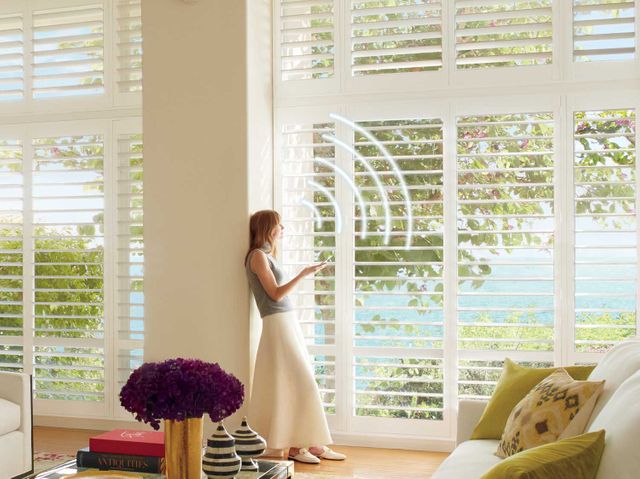
The concept of a truly intelligent house often starts with eye-catching gadgets like voice assistants or smart thermostats. Yet, one of the most impactful—and increasingly affordable—upgrades is something people interact with every single morning: motorized window treatments. From whisper-quiet shades that adjust themselves at dawn to blinds that react to the sun in real time, today’s advances are reshaping how we think about comfort, energy use, and even interior design. This article explores the latest breakthroughs and what they mean for homeowners looking to future-proof their living spaces.
The Evolution of Motorized Window Treatments
Window coverings have come a long way since the days of dusty cords and tangled strings. Early motorized shades were bulky, noisy, and prohibitively expensive. They relied on hard-wired power and clunky wall switches, which limited adoption to high-end commercial buildings or luxury homes. Over the past decade, three key shifts have accelerated mainstream acceptance:
- Miniaturized motors: Advances in brushless DC technology have created smaller yet more powerful motors, allowing manufacturers to hide hardware inside slim roller tubes.
- Battery power: Long-lasting lithium-ion batteries and even rechargeable solar wands let homeowners skip electrical wiring entirely, cutting installation costs.
- Wireless control: Infrared remotes gave way to RF, then Zigbee, Z-Wave, Thread, and Wi-Fi, paving the way for app-based scheduling and voice commands.
The result? A market that is projected to reach USD 12.8 billion by 2028, driven largely by residential upgrades and retrofit kits that can be installed in under an hour.
Core Technologies Powering Modern Systems
Under the fabric and aluminum lies a sophisticated blend of hardware and software that makes today’s motorized treatments smarter than ever.
Smart, Quiet Motors
Manufacturers now employ precision-engineered gearboxes and vibration-dampening materials to achieve operation as quiet as 35 dB—quieter than a whisper. Integrated microcontrollers monitor torque and speed, automatically calibrating tension to extend fabric life.
Wireless Protocols
Bluetooth LE: Great for quick DIY pairing via smartphones, but range is limited to one room.
Zigbee & Thread: Mesh networking protocols that allow shades to act as repeaters, strengthening the overall smart-home network.
Wi-Fi: Enables direct cloud connectivity and over-the-air firmware updates, though it can consume more battery.
Sensor Fusion
Light, temperature, and occupancy sensors feed real-time data to automation engines. For example, an integrated photodiode can signal shades to lower when UV levels spike, protecting furniture from fading while reducing HVAC load.
Seamless Integration with Smart Home Ecosystems
Motorized window treatments no longer operate in a silo. They are becoming critical nodes in broader smart-home scenarios:
- Voice assistants: “Alexa, raise the living-room shades” is now a common morning ritual for many households.
- IFTTT applets: Trigger blinds to close when the evening news starts or open when a smart lock senses you arriving home.
- Platform unification: Matter—an emerging interoperability standard—promises to make device setup and cross-platform control frictionless.
Homeowners gain holistic scenes like “Movie Night,” which dims lighting, sets the thermostat, and lowers blackout shades simultaneously. Integrators benefit as well, spending less time juggling vendor-specific hubs and APIs.
Energy Efficiency and Sustainability Benefits
Automated shades aren’t just about convenience; they are a frontline defense against soaring energy bills and environmental impact.
- Thermal Regulation: According to the U.S. Department of Energy, properly managed window coverings can reduce heat gain in summer by up to 77% and heat loss in winter by up to 25%.
- Daylighting: By opening shades during overcast daylight hours, you can leverage natural light and reduce reliance on artificial lighting.
- Solar Power: Some systems ship with slim photovoltaic strips that trickle-charge the battery whenever the sun hits the window, creating a partial closed-loop energy system.
These savings compound over time, making motorized treatments one of the few smart-home upgrades with a measurable return on investment.
Design Trends and User Experience
For years, automation capabilities lagged behind aesthetic considerations. That gap is closing rapidly.
Fabric and Material Options
Manufacturers partner with well-known textile mills to offer everything from eco-friendly bamboo weaves to velvet blackout Shades. Many fabrics now include Greenguard Gold certification, ensuring low chemical emissions.
Minimalist Hardware
Slim cassette headers and flush-mount side channels hide mechanical parts. Color-matched end caps blend seamlessly with window frames, satisfying modernist design sensibilities.
Intuitive Controls
- Adaptive apps: Mobile interfaces now display real-time sun position and suggest optimal shade settings.
- Gesture control: Capacitive touch bars installed near window frames allow manual overrides with just a swipe up or down.
- Accessibility: Voice, app, and physical controls work together to accommodate users with mobility or vision impairments.
All of these factors contribute to higher user satisfaction and, ultimately, wider adoption.
What the Future Holds
The pace of innovation shows no sign of slowing. Here are several emerging trends poised to redefine the category:
- Electrochromic Glass Integration: Shades may coordinate with tint-changing windows, balancing glare control and outside views.
- AI-Driven Predictive Automation: Machine-learning models will analyze local weather forecasts, electricity rates, and occupancy patterns to fine-tune schedules.
- Flexible OLED Displays: Research labs are experimenting with fabric-embedded displays, turning shades into ambient information panels or art canvases.
- Circular Manufacturing: Expect take-back programs and modular designs that make it easy to swap motors or fabrics without discarding the entire unit.
Ultimately, the line between building envelope, décor, and digital infrastructure will blur, turning windows into dynamic, data-rich surfaces.
A Future-Proof Investment for Modern Homes
Motorized window treatments have transcended novelty status to become a practical, energy-saving, and design-enhancing upgrade for any home. As motors get quieter, batteries last longer, and ecosystems become more interoperable, adoption barriers will continue to fall. Whether you’re a tech enthusiast planning a whole-home retrofit or a first-time homeowner seeking incremental improvements, investing in smart shades today positions your living space for the connected, sustainable future of tomorrow.
Experience Smart Living with Bloomin’ Blinds
At Bloomin’ Blinds, we’re proud to be at the forefront of home automation with our advanced motorized window treatments. Whether you’re looking to enhance convenience, improve energy efficiency, or simply add a touch of modern style to your home, our customizable solutions are designed to fit your lifestyle. Explore our wide range of motorized blinds and shades, and let our experts help you bring smart living to your windows.
Call us today at (855) 457-1022 or find your nearest location!
Frequently Asked Questions
Q1. Are motorized shades difficult to install?
No. Battery-powered models can be mounted with basic tools in under an hour. Hard-wired units may require professional installation.
Q2. How long do the batteries last?
Typical lithium-ion packs last 6 to 12 months per charge, depending on daily cycles and shade size. Solar chargers can extend this dramatically.
Q3. Will they work without internet?
Yes. Local remotes and on-device schedules still function. Cloud features like remote access and voice control need connectivity.
Q5. Can I retrofit existing blinds?
Several aftermarket kits attach to bead chains or tilt rods, letting you automate your current window coverings without full replacement.


